Cosmetic Dentistry Treatments That Fit Your Lifestyle
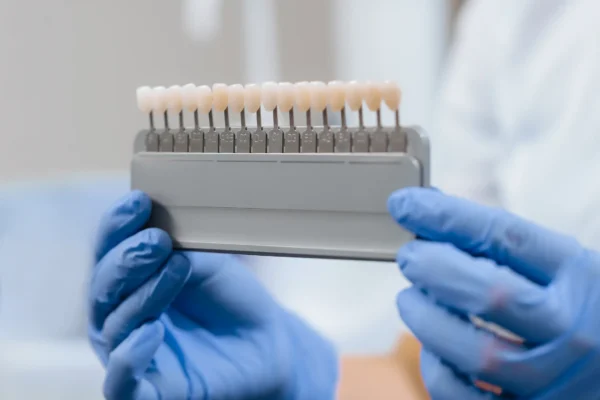
A good cosmetic dental plan does more than brighten a smile. It has to fit the way you live, the way you eat, the way you speak, your work schedule, your budget, and your tolerance for maintenance. That is where many people get stuck. They are not choosing between “bad teeth” and “perfect teeth.” They are weighing convenience against longevity, appearance against cost, and speed against how much natural tooth structure they want to preserve.
Cosmetic Dentistry often gets framed as a luxury category, but in practice it sits much closer to everyday function than many patients expect. A chipped front tooth can make someone cover their mouth every time they laugh. Old bonding can stain and roughen over time. Mild crowding can make cleaning more difficult, which turns a cosmetic concern into a health concern. Even whitening, which seems straightforward, is not one-size-fits-all once you factor in sensitivity, existing dental work, and lifestyle habits like coffee, red wine, or smoking.
The best treatment is rarely the one with the most dramatic before-and-after photo. It is the one a patient can realistically live with, maintain, and feel good about years later.
What “fit” really means in cosmetic dental care
When I talk with patients about cosmetic options, the first question is often, “What looks best?” The more useful question is, “What will still feel right for me six months from now, or five years from now?” That shift changes the conversation.
Fit usually comes down to a few practical realities. Some people want a visible improvement before a wedding, job transition, or major event. Some want the least invasive option because they are hesitant to alter healthy enamel. Others are willing to invest more upfront if it means fewer touch-ups later. A patient who travels constantly for work may need fewer appointments. Someone who grinds their teeth at night may need to think differently about veneers, bonding, or aligners. A parent juggling school pickups and meetings may want short visits and low-maintenance aftercare.
A treatment can be clinically excellent and still be the wrong choice if it does not match daily life. That is why cosmetic planning should feel less like shopping from a menu and more like tailoring a suit. The shape, shade, and method all matter, but the fit matters most.
Teeth whitening for people who want the quickest visible change
Whitening is often the easiest entry point into Cosmetic Dentistry because the improvement is immediate enough to notice, yet conservative enough that patients do not feel they are committing to something irreversible. For the right person, it is a smart place to start.
That said, whitening has limits. It works on natural tooth enamel, not on crowns, veneers, or most bonded fillings. If the front teeth already contain visible restorations, brightening the surrounding enamel can make the older dental work stand out more. This is a common surprise. Someone comes in wanting a whiter smile and leaves realizing that a single old filling near the edge of a front tooth suddenly looks darker by comparison.
Sensitivity is another factor. Some patients breeze through whitening with little more than a day of mild zinginess. Others feel sharp cold sensitivity after one treatment. The difference often comes down to enamel condition, gum recession, existing sensitivity, and the strength and duration of the whitening method used. In-office whitening can create a fast result, sometimes several shades lighter in a single visit, but it can also trigger more short-term sensitivity. Custom take-home trays move more gradually and often give patients more control.
Lifestyle matters here more than marketing does. If you drink coffee every morning, tea in the afternoon, and red wine on weekends, whitening can still work well, but maintenance is part of the deal. The result is not permanent. It is more like hair color than a one-time home renovation. A patient who wants a brighter smile with minimal fuss may do better with occasional tray touch-ups than with repeated high-intensity chairside sessions.
Whitening tends to fit well for people with generally healthy teeth, mild to moderate staining, and realistic expectations. It is less satisfying for deep internal discoloration, patchy enamel changes, or situations where tooth shape and alignment are the real source of dissatisfaction.
Bonding for small flaws and tight schedules
Dental bonding is one of the most practical tools in cosmetic care. It can smooth a chipped edge, close a small gap, reshape a slightly uneven tooth, or mask localized discoloration, often in one appointment. For a patient who wants a visible improvement without drilling a tooth down for a veneer or crown, bonding can be a very attractive option.
The appeal is obvious in daily life. Bonding is usually more affordable than porcelain restorations. It can often be done without anesthesia if the work is minor. It is conservative, which matters to patients who want to preserve natural tooth structure. When a treatment can fix the thing someone notices every time they look in the mirror, and do it in an hour or two, that treatment tends to make a strong impression.
The trade-off is durability. Composite resin is not porcelain. It can stain, chip, or lose its polish over time, especially on front teeth exposed to heavy bite forces or habits like nail-biting, chewing ice, or frequent snacking on hard foods. I have seen beautifully done bonding hold up for many years in a patient with a stable bite and careful habits. I have also seen edge bonding fracture quickly in someone who clenches at night and skips a night guard because it feels inconvenient.
Bonding fits best when the goal is targeted improvement rather than a total smile redesign. It is especially useful for younger adults, patients testing out a cosmetic change before considering something more permanent, and those who need flexibility on cost or timing. It is less ideal when someone wants a flawless, highly polished look across multiple teeth for the long term.
Veneers for patients who want a broader transformation
Veneers have a strong reputation because they can solve several cosmetic problems at once. Color, shape, proportion, minor alignment irregularities, worn edges, and spacing issues can all be addressed in a coordinated way. When carefully planned, veneers can look exceptionally natural. When poorly planned, they can look flat, bulky, or too opaque. The difference is often in the details, not the product label.
The lifestyle question with veneers is not just whether someone can afford them. It is whether they are comfortable making a lasting decision. Traditional porcelain veneers usually require some enamel modification. Even when that reduction is conservative, it is still a commitment. For the right candidate, that trade-off is worthwhile because veneers are stable, stain resistant, and highly aesthetic. For someone unsure, highly anxious about permanent changes, or prone to frequent dental breakage from grinding, the decision deserves more caution.
Patients often ask whether veneers are “high maintenance.” In one sense, they are not. You brush, floss, attend checkups, and avoid using your teeth as tools, just as you should anyway. In another sense, they are absolutely a maintenance relationship. They need protection from parafunctional habits. Gum health has to stay strong or the margins become more visible. If one veneer chips years later, matching and replacing it may be straightforward or may require more planning, depending on age, shade, and the surrounding teeth.
Veneers fit people who want a significant cosmetic upgrade and are willing to invest in both the initial treatment and the long-term stewardship that follows. They are often a strong option for people in client-facing professions, on-camera work, or simply anyone who has felt for years that several visible tooth issues are adding up and would like a comprehensive answer rather than a piecemeal one.
Clear aligners when appearance and convenience both matter
A surprising number of cosmetic concerns are really alignment concerns wearing a different label. Teeth that overlap catch shadows. Rotated teeth look darker in photos. Small gaps can make teeth appear mismatched even when the color is fine. Before reshaping or covering teeth, it is often worth asking whether moving them slightly would solve the underlying issue more elegantly.
Clear aligners have changed the conversation because they fit adult life better than traditional braces for many people. They are removable, discreet, and generally easier to manage in professional or social settings. That does not make them effortless. The aligners only work if they are worn consistently, often around 20 to 22 hours a day. The patient who is disciplined tends to do very well. The patient who removes them for every coffee, snack, conversation, and evening out often wonders why treatment is dragging on.
This is one of the clearest examples of lifestyle fit. A motivated patient with a predictable routine may find aligners simple. A restaurant worker who tastes food throughout the day, or someone who frequently attends business lunches and events, may find the remove-brush-reinsert cycle tiresome. I have seen highly organized patients finish beautifully and on time. I have also seen patients with excellent intentions stall because the treatment asked for more consistency than their routine could support.
Aligners can also pair well with other Cosmetic Dentistry treatments. Minor tooth movement first, then whitening, then a touch of bonding on a worn edge, often creates a more conservative and harmonious result than jumping straight to veneers.
Crowns and cosmetic upgrades that also protect teeth
Not every cosmetic case starts with healthy, intact enamel. Many adults seeking a nicer smile also have heavily filled teeth, old fractures, wear from grinding, or structurally compromised teeth that need reinforcement. In those cases, crowns may be part of the aesthetic plan, not because they are the most glamorous option, but because they address both beauty and function.
A well-made ceramic crown on a visible tooth can look excellent. The challenge is that crowns are more invasive than bonding or whitening, and they are chosen for the right reason, not simply for the most dramatic makeover effect. If a tooth is already weakened, discolored from prior root canal treatment, or breaking down, a crown may be the most sensible long-term choice. If the tooth is healthy and the concern is only slight shape or shade variation, a crown would usually be too aggressive.
Patients often appreciate this distinction once it is explained clearly. Cosmetic treatment should not mean doing more dentistry than necessary. The best plans are often the most restrained.
Matching treatment to personality, habits, and time
Not everyone wants the same kind of dental experience. Some want the fastest route to a polished smile and are comfortable investing more for efficiency. Some prefer gradual change. Some are meticulous with home care. Others know they are not.
A treatment that fits one personality can fail another, even with the same clinical starting point. Consider two patients with similar front-tooth wear and mild crowding. One is detail-oriented, wears a retainer faithfully, uses a night guard, and keeps regular preventive visits. The other travels constantly, misses hygiene appointments, and admits to chewing pen caps during meetings. Their cosmetic options may overlap on paper, but their best choices in real life are not identical.
Here are a few lifestyle patterns that often influence the best direction:
- If you want the least invasive option, whitening, minor bonding, or aligners usually deserve discussion before veneers or crowns.
- If you want the longest-lasting polish and stain resistance, porcelain often outperforms composite, though it costs more upfront.
- If your schedule is unpredictable, treatments with fewer appointments or simpler maintenance tend to be easier to live with.
- If you grind or clench, protection matters as much as aesthetics. A night guard can preserve the result you paid for.
- If you are planning major cosmetic work, timing around weddings, travel, pregnancy, or job changes can affect comfort and logistics.
These are not rigid rules. They are the sort of practical considerations that prevent regret.
The budget question, without pretending money does not matter
Patients are often hesitant to talk candidly about cost, but it shapes every healthcare decision, including Cosmetic Dentistry. Pretending otherwise does not help anyone. A smart treatment plan respects financial reality without compromising basic standards.
Lower upfront cost does not always mean better value. Bonding may cost less initially than veneers, but if it requires more frequent repair or polishing, the long-term picture changes. On the other hand, a patient may not need the longevity of porcelain if a simpler treatment solves the issue for the next several years. A college graduate starting a first job has different financial priorities than someone ready to invest in a major smile upgrade before a milestone birthday.
It is also worth remembering that staged treatment can be a very reasonable strategy. Whitening now, aligners next year, and selective bonding or replacement of visible old restorations later can spread cost over time while still moving toward a coherent result. Good cosmetic planning is not all-or-nothing.
What maintenance actually looks like after treatment
Most cosmetic work lasts longer when patients understand the aftercare before they start. This is where expectations need to be practical, not promotional.
Whitening needs periodic touch-ups. Bonding may need edge smoothing, repolishing, or occasional repair. Aligners usually lead into retainers, and retainer compliance matters more than many people expect. Veneers and crowns need the same gum care as natural teeth, sometimes more because margins can attract attention if inflammation develops. None of these treatments are “install and forget.”
Habits make a measurable difference. A patient who sips black coffee all morning will usually see more stain return than one who finishes it with a meal and rinses with water. Someone who opens packages with their teeth is far more likely to chip bonding or porcelain. A night guard can add years of life to cosmetic work in a patient who clenches. These Cosmetic Dentistry toothworksofbakersfield.com are ordinary behaviors, but they have expensive consequences.
When a subtle result is the better result
One of the biggest shifts in modern cosmetic care has been away from smiles that advertise the dentistry. Many patients now want friends to say, “You look great,” not, “Who did your veneers?” That usually means preserving individuality. Tiny asymmetries, natural translucency, and age-appropriate brightness often look more convincing than an ultra-uniform finish.
This matters especially for professionals who speak frequently, appear in close conversation, or work on camera. Teeth that are too white, too square, or too opaque can draw attention in the wrong way. A good cosmetic result should harmonize with the face, lips, skin tone, and age, not compete with them.
I have seen patients become much happier with small changes than they expected. A single repaired chip, a carefully matched bonded corner, or a modest round of whitening can remove the thing that bothered them every day. The dental work is not dramatic, but the relief is.
Choosing the right dentist matters as much as choosing the right treatment
Cosmetic outcomes depend heavily on judgment. Technical skill is essential, but judgment is what determines whether a dentist recommends the conservative option, notices a bite issue that could shorten the life of the work, or says no to a treatment that would look impressive in a photo but unstable in a real mouth.
A worthwhile consultation should feel specific to you. The dentist should ask what you notice when you smile, what bothers you in photographs, whether you grind, how much maintenance you are comfortable with, and what timeline matters. They should explain where whitening will help and where it will not. They should talk about existing fillings, gum shape, bite forces, and realistic longevity. If every patient seems to get the same answer, that is a red flag.
A few good questions can make the discussion far more productive:
- What is the most conservative way to improve the concern I have?
- How long does this option typically hold up in someone with my habits and bite?
- What maintenance or replacement should I expect over time?
- Are there alternatives that cost less or preserve more tooth structure?
- If we do nothing now, does the situation stay cosmetic, or could it become functional later?
These questions tend to reveal whether the plan is thoughtful or merely sales-driven.
Timing your cosmetic work around real life
Cosmetic dental treatment tends to go more smoothly when it is scheduled with ordinary life in mind. If you have a major event, building in buffer time matters. Whitening may cause short-lived sensitivity. New bonding may need a minor adjustment after you live with it for a few days. Aligners can require refinements. Veneers often involve temporaries and at least two phases of appointments.
A rushed timeline creates unnecessary stress. If the smile matters for a wedding, reunion, media appearance, or professional milestone, it is wise to start earlier than instinct suggests. Teeth do not always follow a perfect calendar, and laboratories, healing, and bite adjustments can all affect timing.
It is equally important not to start major cosmetic treatment during a season when compliance is likely to be poor. A month of international travel, a chaotic move, or a high-pressure work period may not be ideal for beginning aligners or completing multi-visit aesthetic work. The most successful cases often happen when the patient has enough bandwidth to participate fully.
The best cosmetic treatment is the one you can comfortably live with
There is no universal best option in Cosmetic Dentistry. Whitening can be perfect for one person and disappointing for another. Bonding can be an elegant answer or a short-term patch, depending on the bite and habits. Veneers can be life-changing when indicated and excessive when they are not. Aligners can solve the real problem beautifully, but only if the patient will actually wear them.
That is why a lifestyle-based approach works so well. It respects biology, budget, schedule, and temperament at the same time. It also leads to results that age more gracefully because they are built around real use, not wishful thinking.
The strongest cosmetic plans usually share the same qualities. They are individualized. They are honest about trade-offs. They improve appearance without ignoring function. And they leave patients feeling like themselves, only more at ease when they smile.
Toothworks of Bakersfield, Dentist and Orthodontist
1030 H St #1, Bakersfield, CA 93304, United States
+1 661-323-9421
FAQ About Cosmetic Dentistry
Is bonding better than veneers?
Neither option is best for everyone. Composite bonding can address small chips, gaps, or shape concerns and is generally easier to repair. Porcelain veneers may offer greater resistance to staining and wear, but often require removal of some enamel. A dentist should assess your oral health, bite, goals, and budget before recommending treatment.
How long will dental bonding last?
Bonding commonly lasts about three to ten years before it needs repair or replacement, though this varies with the location and amount of bonding, your bite, and daily habits. Regular dental visits, good oral hygiene, and avoiding chewing hard objects can help protect it. Ask your dentist what lifespan is realistic for your particular treatment.
What are the risks of teeth whitening?
Whitening can cause temporary tooth sensitivity and gum irritation. Overuse or incorrect use may damage teeth or gums, and whitening does not change the color of existing crowns, veneers, or fillings. Have a dentist assess your teeth and gums, and follow the recommended product directions and treatment schedule.
Corrections
Spot something wrong? Send it to the desk and it gets fixed in the open.