How to Keep Your Cosmetic Dentistry Results Looking New
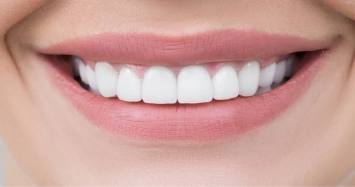

Cosmetic dentistry can change a smile quickly, but keeping that result polished takes longer-term discipline. That is the part many people underestimate. The bonding appointment, whitening session, veneer prep, or aligner treatment may be over in a matter of weeks or months. The habits that protect that work often stretch over years.
Dentists see this pattern all the time. A patient invests in whitening, then keeps sipping coffee all morning through a strawless travel mug. Someone gets porcelain veneers, then opens packets with their front teeth out of habit. Another finishes clear aligner treatment with beautifully straight teeth, then becomes casual about retainers and wonders why one lower incisor starts turning again. Cosmetic dentistry does not fail all at once. It usually fades in small, preventable ways.
The good news is that most cosmetic results last well when patients understand what they are protecting and why. A bright smile depends on more than one product or one cleaning. It depends on the condition of the enamel, the health of the gums, bite forces, diet, daily hygiene, and whether the materials in your mouth are being treated the way they were designed to be treated.
The first thing to understand, not all cosmetic work ages the same way
People often talk about cosmetic dentistry as though every treatment behaves identically. It does not. Teeth whitening, composite bonding, porcelain veneers, crowns, and orthodontic alignment each have different strengths and different weak points.
Whitening is the most vulnerable to lifestyle habits. The treatment lightens natural tooth structure, but it does not make enamel stain-proof. Coffee, tea, red wine, dark sauces, tobacco, and even frequent sports drinks can gradually pull the shade back down. Some patients maintain a fresh, bright look for a year or more before needing a touch-up. Others notice changes in a few months because of diet and enamel texture.
Composite bonding can look excellent, especially for small chips, edge repairs, black triangles, or shape refinements. It is also more porous and less stain-resistant than porcelain. Bonding tends to pick up discoloration sooner, and it can chip if a patient bites pens, ice, fingernails, or hard foods with the repaired area.
Porcelain veneers and ceramic crowns are more color-stable and more durable than bonding, but they are not indestructible. They resist stains well, yet the margins where restoration meets tooth can still show plaque buildup or gum inflammation if home care slips. Veneers can also fracture under repeated heavy clenching or if the bite is poorly managed.
Straightened teeth, whether moved with braces or aligners, have their own maintenance rule. If the retainer routine fails, the cosmetic result slowly drifts. Teeth have memory, and the surrounding fibers need long-term reinforcement.
Once patients understand which category their treatment falls into, their maintenance plan becomes much clearer.
The daily habits that matter most
If I had to name the biggest difference between cosmetic results that still look sharp after several years and those that dull early, it would not be the brand of toothpaste or the price of a mouthwash. It would be consistency. The basics are Cosmetic Dentistry not glamorous, but they protect the investment better than almost anything else.
Brushing twice daily is the floor, not the ceiling. Technique matters just as much as frequency. Scrubbing hard with a medium or hard-bristled brush does not clean better. It wears enamel, irritates the gums, and can roughen surfaces near restorations. A soft-bristled electric brush is often the safest choice because it gives thorough plaque removal without encouraging the sawing motion many people use with manual brushes.
Flossing is where many cosmetic cases are either preserved or quietly compromised. Plaque between teeth does not just cause cavities. It also inflames the gums, and gum inflammation is one of the fastest ways to make an otherwise beautiful smile look less refined. Puffy, red, uneven gum margins can age cosmetic work almost immediately. If you have veneers, crowns, or bonding along the front teeth, keeping those margins clean is essential because any buildup there becomes visually obvious.
Toothpaste deserves a careful look. Many whitening toothpastes are too abrasive for daily long-term use, especially for patients with bonding, exposed root surfaces, or enamel wear. The label may promise brightness, but the mechanism is often stain abrasion rather than true whitening. Used aggressively, that can create a duller look over time by roughening natural tooth structure. A low-abrasion fluoride toothpaste is usually a safer base product, with whitening gels or professional touch-ups used more selectively.
Mouth rinse can help, but only if it fits the case. Alcohol-free fluoride rinses are often a good choice for cavity-prone patients. By contrast, heavily pigmented rinses or products with chlorhexidine used beyond the intended short term can contribute to staining. This surprises people, especially when they are trying to preserve a brighter smile.
Stains do not arrive all at once
A common misconception about cosmetic dentistry is that one bad weekend ruins everything. Usually, staining is cumulative. It builds through repetition.
The patient who drinks one cup of coffee quickly with breakfast and follows it with water is in a different position from the patient who nurses coffee for four hours every morning. The second habit bathes the teeth in dark liquid repeatedly and extends the acid exposure, which can soften enamel temporarily and make pigments more likely to settle. The same principle applies to iced tea, cola, red wine, and some energy drinks.
That does not mean a person needs a colorless diet to keep cosmetic dentistry looking fresh. It means being strategic. Timing, frequency, and cleanup all matter. Dark foods are less of a problem when eaten as part of a meal than when sipped or grazed slowly all day. Rinsing with water afterward helps. Waiting about 30 minutes before brushing after acidic drinks is wise, because brushing immediately on softened enamel can increase wear.
One of the more practical pieces of advice dentists give whitening patients is to think in patterns, not in isolated moments. A weekly pasta night with tomato sauce is not the same as daily tomato-based lunches combined with coffee and tobacco. It is the overall load that shows up in the mirror.
The foods and habits that break or wear restorations
Front teeth are tools only in emergencies, but many people unconsciously use them as tools every day. That is where a lot of expensive cosmetic work gets into trouble.
Opening packaging with the incisors, biting thread, tearing tape, crunching ice, and chewing pen caps all create concentrated force at the edge of the tooth. Natural enamel can chip from these habits. Bonding chips more easily. Veneers can crack, or the bond can be stressed over time. Patients often say, "I only did it once," but in many cases there were dozens of small forces before the final visible break.
Clenching and grinding deserve special attention because they often happen during sleep, when the patient has no awareness of the pressure. In practice, some of the most beautiful veneer and bonding cases develop edge wear not because the materials were poor, but because the bite was under heavy night-time load. A custom night guard is not glamorous, but it is often the cheapest insurance policy after cosmetic treatment.
Here is a short maintenance checklist that protects most cosmetic cases remarkably well:
- Use a soft-bristled brush and a non-abrasive fluoride toothpaste.
- Clean between the teeth every day, with floss or another dentist-approved interdental aid.
- Limit long, frequent exposure to coffee, tea, red wine, tobacco, and acidic drinks.
- Avoid biting hard objects, ice, packaging, and fingernails with the front teeth.
- Wear a night guard if you clench or grind.
None of those steps are complicated. The challenge is that damage from skipping them often arrives gradually, so patients do not connect the habit with the result until a repair is needed.
Gum health is part of the cosmetic result
People tend to focus on tooth color and shape, but gums frame the smile. Even outstanding porcelain can look less natural if the surrounding tissue is swollen, uneven, or receding.
Bleeding during brushing or flossing is not normal, and it should not be ignored just because the teeth still look white in photos. Early gum inflammation changes the contour around the teeth, especially near the front. That can make the smile look heavier, less crisp, or less symmetrical. If recession develops, root surfaces may show, and the line where veneers or crowns meet the natural tooth may become more noticeable.
This matters even more after cosmetic dentistry because the work has heightened the visual standard. Tiny tissue changes that might go unnoticed in an untreated smile can stand out around veneers, bonding, or contouring.
Professional cleanings help maintain that frame. For many adults, twice-yearly hygiene visits are enough. For patients with a history of gum disease, significant tartar buildup, or more complex restorative work, three or four visits per year may be the better schedule. That is not an upsell. It is often the practical interval needed to keep plaque from hardening and gum tissue from relapsing into chronic inflammation.
Whitening touch-ups require judgment, not impatience
Teeth whitening is one of the most requested follow-ups after cosmetic treatment because patients get used to their new smile quickly. What once looked dramatically brighter starts to feel normal, and then they want it brighter again.
That instinct needs a little restraint. Whitening too often, or using strong over-the-counter products repeatedly without guidance, can increase sensitivity and irritate the gums. It can also create a mismatch if the smile includes crowns, veneers, or bonding, since restorations do not whiten the way natural teeth do. Patients sometimes forget this and bleach the natural teeth until the restorative work starts to look darker by comparison.
The better approach is planned maintenance. If your dentist provided custom trays after an in-office whitening treatment, those are often the most controlled option for touch-ups. A short refresher course every several months, or before a major event, usually works better than impulsive whitening every time the teeth look slightly less bright under bathroom lighting.
There is also a lighting issue that causes confusion. Many people judge their smile under cool LED mirrors, phone flash, or car sunlight, each of which reveals color differently. Before assuming the whitening has failed, it helps to compare the shade across normal settings and ask whether the change is real or just environmental.
Retainers are not optional after orthodontic cosmetic work
Straight teeth create one of the most noticeable cosmetic improvements in dentistry. They also invite a false sense of permanence. Once aligners or braces are off, many patients feel finished. Biologically, they are not.
Teeth continue to respond to pressure throughout life. The fibers around them tend to pull them back toward their previous positions, especially in the first months after treatment. The lower front teeth are famous for small relapses because even a millimeter of movement becomes visible quickly.
The best-looking orthodontic result is preserved by retainer compliance. Dentists and orthodontists vary in their protocols, but the principle stays the same. Follow the wear schedule exactly at the start, then stay disciplined with long-term nighttime use if that is what has been prescribed. Patients who drift into occasional retainer wear often learn the hard way that "close enough" is not close enough.
A patient once described the process perfectly after minor relapse. She said, "I never forgot my retainer completely. I just got casual with it." That is how movement starts. Not with a dramatic abandonment, but with a slow slide into inconsistency.
Small repairs are usually better handled early
One of the costliest maintenance mistakes is waiting too long after noticing a minor change. A tiny chip in bonding can often be smoothed or repaired conservatively if addressed early. The same area, left unmonitored, may pick up stain, catch the bite awkwardly, and break further.
The same is true for rough edges, slight sensitivity near a veneer margin, or a retainer that no longer seats fully. These are not problems to watch for six months. They are signals to make a call. Cosmetic dentistry tends to be most maintainable when issues are corrected while they are still small.
Patients sometimes avoid returning because they worry the fix will be expensive. In many cases, early intervention is exactly what keeps cost low. A quick polish is different from a replacement. A guard adjustment is different from repairing a fractured ceramic edge. A fresh retainer is different from retreatment after significant orthodontic relapse.
Tobacco and vaping can undermine the finish
Traditional smoking is still one of the fastest ways to dull a smile aesthetically. It stains natural teeth, contributes to gum disease, dries the mouth, and affects breath. Around cosmetic work, the contrast can become even more obvious because unstained porcelain next to darkening natural teeth can create uneven color.
Vaping is often assumed to be harmless from a cosmetic standpoint, but that is too simplistic. While the staining pattern may differ from conventional tobacco, dry mouth and changes in oral tissue health can still make a smile look less healthy. Reduced saliva is not a trivial issue. Saliva buffers acids, helps wash away pigments, and protects enamel. A dry mouth environment is harsher on both natural teeth and restorative margins.
The products worth questioning
Not every product sold for oral beauty actually helps cosmetic dentistry age well. Charcoal toothpastes are a prime example. They are marketed as natural brighteners, but many are abrasive, messy, and unsupported by strong evidence for meaningful whitening. For patients with bonding or veneer margins, they can be especially unhelpful.
At-home devices bought online also deserve skepticism. If a whitening kit is strong enough to create a noticeable result, it can also create sensitivity or irritation when misused. If it is weak, it may do little beyond separating a patient from their money. Worse, people often use these products while missing the underlying reason their smile looks darker, which may be tartar buildup, dehydration, recession, or staining on the restoration itself rather than within Cosmetic Dentistry the tooth.
A better rule is to ask whether a product protects the surface you already have, or whether it simply promises a dramatic shortcut. Cosmetic dentistry usually rewards the first category and punishes the second.
What to discuss at your regular dental visits
Routine appointments are not only for cleaning and cavity checks. They are the best time to evaluate how cosmetic work is aging in real conditions. Dentists can see early wear facets, plaque retention at margins, subtle shade changes, bite shifts, and tissue inflammation long before they become obvious in selfies.
If you have had cosmetic dentistry, these are worth bringing up during checkups:
- Any new sensitivity, especially near the gumline or at the edge of a restoration.
- Changes in the way your teeth meet when you bite.
- A retainer or night guard that feels tight, loose, or warped.
- Roughness, dullness, or staining on bonding or along veneer margins.
- Bleeding gums or a change in gum shape around the front teeth.
Those conversations help your dentist tailor maintenance rather than giving generic advice. A heavy grinder does not need the same strategy as a whitening patient with thin enamel. A veneer patient with excellent hygiene but recurring edge wear may need bite adjustment or better guard compliance, not another polishing.
Appearance and longevity are closely linked
People often separate health dentistry from cosmetic dentistry as though one is practical and the other is optional. In real life, the two overlap constantly. Healthy gums make cosmetic work look better. A stable bite keeps restorations intact. Low cavity risk preserves the edges and margins that keep a smile looking seamless. Good hydration, saliva flow, and plaque control all support appearance, not just oral health.
That is why the longest-lasting cosmetic results are rarely maintained by appearance-focused habits alone. They are maintained by patients who understand that the gloss of a smile rests on invisible foundations. A veneer can be beautiful, but if the gums around it are inflamed or the patient grinds hard enough to stress the bite nightly, the beauty does not hold its edge.
The most successful patients are usually not the ones with perfect diets or flawless home care every single day. They are the ones who stay attentive. They notice changes early. They ask questions. They do not assume a bright smile can absorb years of neglect just because it looked great the day it was placed.
Cosmetic dentistry gives you a head start. Keeping it looking new comes down to what happens after the mirror moment, when the novelty wears off and habits take over. That is where the real lifespan of a smile is decided.
Toothworks of Bakersfield, Dentist and Orthodontist
1030 H St #1, Bakersfield, CA 93304, United States
+1 661-323-9421
FAQ About Cosmetic Dentistry
Is bonding better than veneers?
Neither option is best for everyone. Composite bonding can address small chips, gaps, or shape concerns and is generally easier to repair. Porcelain veneers may offer greater resistance to staining and wear, but often require removal of some enamel. A dentist should assess your oral health, bite, goals, and budget before recommending treatment.
How long will dental bonding last?
Bonding commonly lasts about three to ten years before it needs repair or replacement, though this varies with the location and amount of bonding, your bite, and daily habits. Regular dental visits, good oral hygiene, and avoiding chewing hard objects can help protect it. Ask your dentist what lifespan is realistic for your particular treatment.
What are the risks of teeth whitening?
Whitening can cause temporary tooth sensitivity and gum irritation. Overuse or incorrect use may damage teeth or gums, and whitening does not change the color of existing crowns, veneers, or fillings. Have a dentist assess your teeth and gums, and follow the recommended product directions and treatment schedule.
Corrections
Spot something wrong? Send it to the desk and it gets fixed in the open.